360 Virtual Tour and 3D Gaussian Splatting Reconstruction
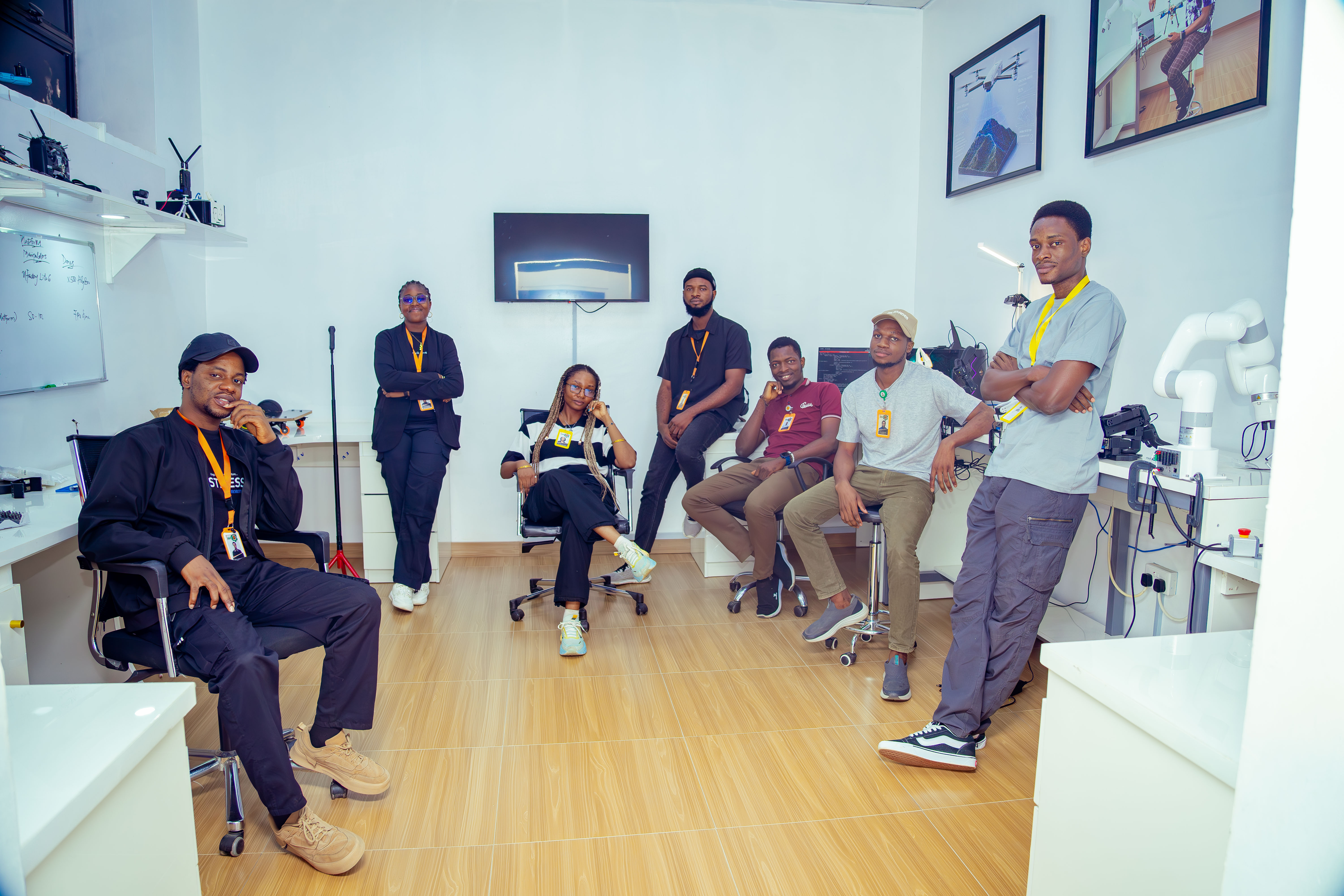
This project started with a simple goal, to capture the hub as it really is and make it explorable from anywhere, and grew into a deeper exploration of how we document and reconstruct physical spaces digitally. I built the full capture-to-display pipeline myself, then implemented it for Innov8: the interactive virtual tour embedded on the hub's website is my work, from capture through to the final published experience. Alongside the production tour, I used the project as a testbed for 3D Gaussian Splatting, an emerging reconstruction technique that pushes well beyond what a conventional 360 tour can do.
The Virtual Tour
The production tour is built on 360 imagery captured with an Insta360 camera and assembled into a hosted, navigable walkthrough of the hub. It's the version live on Innov8's website today, letting anyone step through the space online as if they were walking it in person. Capturing a working hub cleanly takes more than pointing a camera, it means thinking about sightlines, lighting, and how a viewer will move from room to room, so the tour reads as a coherent journey rather than a set of disconnected panoramas.
Experimenting with 3D Gaussian Splatting
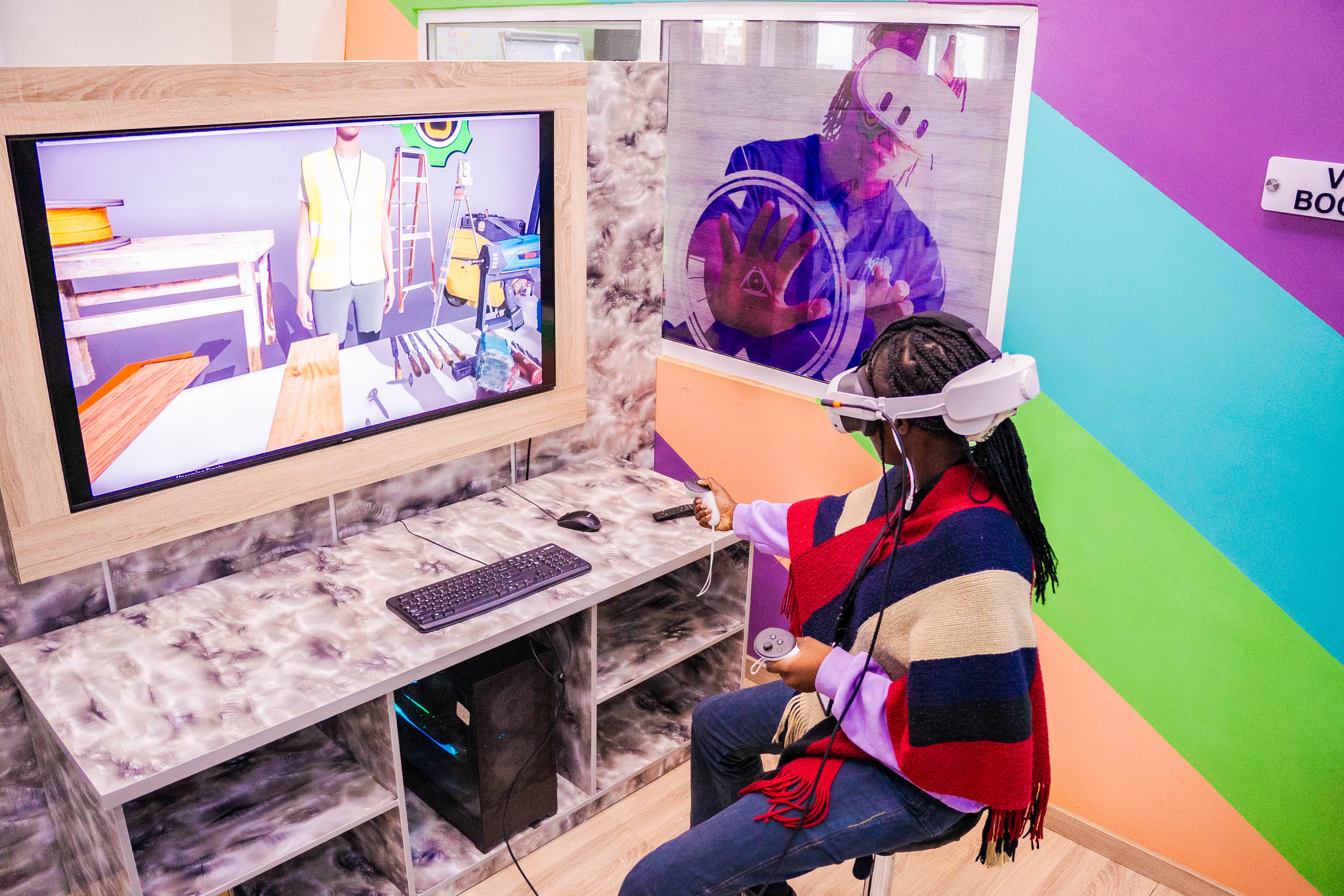
Beyond the production tour, I wanted to see how far I could push spatial reconstruction, so I rebuilt several of the hub's spaces as full 3D scenes: the cafeteria, the former drone lab, the simulation lab, and parts of the CNC workshop. This became an extended experiment across multiple capture methods and pipelines. I tested structure-from-motion reconstruction from image sets, capture using the Meta Quest, and the Insta360 as a capture source, and worked through a range of tools to compare results, including Varjo Teleport, LichtFeld Studio, and RealityScan. Each pipeline came with its own trade-offs in capture effort, fidelity, and how usable the final reconstruction was, and working through them gave me a practical, hands-on read on where the technology genuinely delivers and where it still falls short.
Why It Matters
Together, these two tracks gave the hub both an immediate, shareable way to showcase its space and a forward-looking capability in high-fidelity 3D reconstruction. The same techniques that produce a photorealistic model of a room also feed directly into simulation-ready environments and digital-twin work, which connects this project to the robotics and simulation work at the core of what I do.